Kitchen Remodeling Local Marketing in Los Angeles, CA

Local marketing notes for kitchen remodeling companies in Los Angeles, CA, covering neighborhood targeting, community groups, events, job signs, showroom partnerships and honest area pages.

What We Cover

Kitchen Remodeling Local Marketing in Los Angeles, CA

Kitchen remodeling is a local business in a very literal sense. Homeowners hire someone they have seen, heard about or driven past, and in Los Angeles that usually means a company that already works in their part of the county. These notes look at how a remodeling company becomes familiar to the neighborhoods it wants to serve, from the Westside to the San Fernando Valley.

Choosing where to work

Not every street is the same opportunity. The age of the houses, the share of owners who live in them and the permit office that covers them all shape what a kitchen job looks like. A bungalow in Silver Lake, a ranch house in Glendale and a condo near Santa Monica ask for different skills, and a company does best where its past work already fits.

Being known before the first call

Most homeowners spend months thinking before they phone anyone. Newsletters, neighborhood groups, home tours and local events keep a company name in front of people during that time without pressure. The same goes for showroom relationships in Pasadena and across Los Angeles County, where a designer's recommendation often arrives before any advertising does.

The job site as a message

A tidy site, a posted permit from the Los Angeles Department of Building and Safety and a modest sign tell neighbors how a company works. That impression lasts longer than a flyer and costs far less to maintain, as long as the crew treats the street with respect. Parking, noise hours and clear communication with neighbors all become part of how a remodeler is remembered in a given block.

Guides

The pages here cover picking neighborhoods by housing stock, using community newsletters and groups, choosing local events, handling signs near active jobs, working with showrooms and writing area pages that stay honest about real projects.

Latest Guides

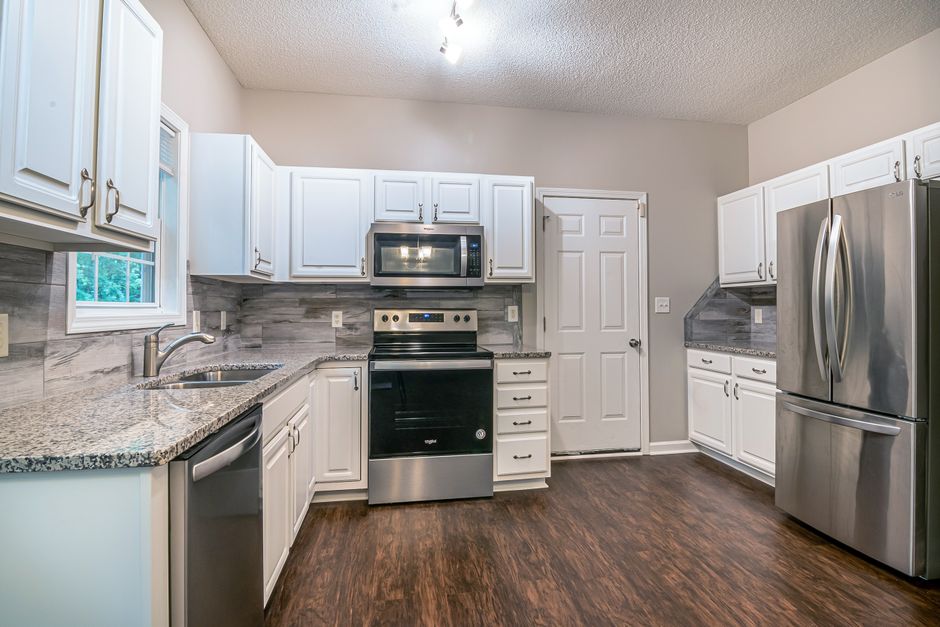
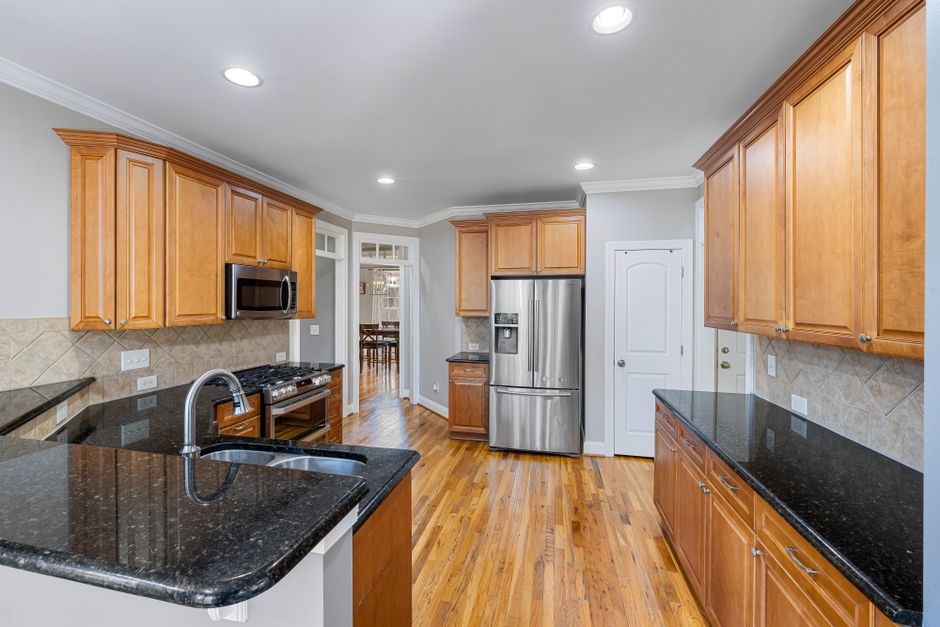
Spacious modern kitchen featuring granite countertops, wooden cabinets, and stainless steel appliances

How Can a Kitchen Remodeler Build a Referral Loop Through Past Clients

2026-10-06

Most kitchen remodeling companies in Los Angeles can name the three or four jobs that produced the best work of the past year, and almost none can say how those customers found them. When the answer is a past client, a neighbor or a friend of a friend, it points toward the cheapest and most durable kind of marketing a remodeler has: a referral loop that runs through the streets where the company already works.

Why do referrals matter so much in remodeling?

A kitchen remodel is a large, disruptive decision. The homeowner is about to let a crew into the center of the house for weeks, and the person they trust most is someone who has already done it. A neighbor who stood in the dust and came out with a finished room carries more weight than any website. In Los Angeles, where houses on the same block often share a build year, a floor plan and the same problems, a finished job next door is a working example of what the next owner is considering.

That is why the first step is not a campaign. It is paying attention to who has already said yes and what they would tell a friend. A company that completes ten kitchens in Silver Lake and never speaks to those owners again has thrown away its best source of leads.

What does a referral loop actually look like?

A loop has four parts, and each one has to be deliberate, because none of them happens by accident when a crew is busy.

  • A finished job the owner is proud of, photographed properly before furniture comes back.
  • A short, honest conversation at the final walkthrough about how the owner felt the project went.
  • A follow-up some weeks later that is not a sales message, just a check that everything works and nothing has settled badly.
  • A simple, low-pressure way for the owner to pass the name along when a neighbor asks.

If any piece is missing the loop leaks. A great kitchen with no follow-up is forgotten. A follow-up on a job with a punch list still open is an insult. The sequence only works when the work itself deserves a recommendation.

How should you handle the final walkthrough?

The walkthrough is the most valuable conversation of the entire project, and many remodelers treat it as paperwork. Walk every cabinet door, open every drawer, run the water and test the lights with the owner beside you. Write down anything that needs adjusting and give a date for when it will be done. Owners who see problems handled quickly and without defensiveness become advocates. Owners who feel rushed out the door become quiet critics.

Ask two plain questions before leaving. What surprised you most about the project, and what would you change about how the crew and the owner worked together? The answers show where communication slipped and what language the owner uses to describe the experience. That language, in the owner's own words, is what travels when they talk to a neighbor.

When is the right time to ask for a recommendation?

Timing matters more than wording. Asking on the day the last invoice is paid feels transactional. Asking a few weeks later, after the owner has cooked a few meals in the room and noticed what works, feels natural. By then they have stories: the island that finally seats the whole family, the lighting that makes the evening feel different. Those stories are what they will repeat.

The request itself can be modest. A message that thanks them for the project, asks whether everything is holding up and mentions that the company is always glad to meet neighbors who are thinking about a similar project is enough. No incentive is needed, and offering cash for a recommendation changes the relationship from friendship to commerce. Most owners who liked the work will help without being paid for it.

How do you make it easy for a happy client to pass your name along?

Friction kills referrals. An owner at a dinner party in Pasadena who says they loved their remodeler is asked, "What was the name again?" If they have to search their email for a contract to find it, the moment passes. Give each finished client something that makes the name easy to find: a finished photo set they can share, a short written summary of what was done, or a card kept in the kitchen drawer with the company name and a simple way to reach you.

It also helps to describe the work in plain terms the owner can repeat. Instead of a technical project name, write something like "opened the wall to the dining room and rebuilt the layout." People remember what a job did, not what it was called on the estimate.

What about neighbors who see the job in progress?

Some of the best leads arrive during construction. A neighbor sees the dumpster, the crew and the covered floors, and starts to wonder. A remodeler who handled the street well, with clear parking, reasonable hours and a tidy site, is easy to approach. One who left debris on the curb is not.

Consider telling nearby homes before major noisy work starts. A short note explaining the schedule, the dates of loud demolition and a contact for concerns turns potential complaints into goodwill. Neighbors who feel informed are more likely to ask about the project, and those conversations are where referrals begin.

How do you track referrals without making it awkward?

Keep a simple record of where every new inquiry came from. When a caller says a name, write it down, and when a job closes, note which past client sent them. Over a year the pattern shows which owners are natural connectors, which neighborhoods respond and which kinds of projects generate the most word of mouth.

Those connectors deserve a real thank you that is not a payment. A handwritten note, a small gift from a local maker or a quick visit to see how the kitchen has aged shows that the company noticed. People who feel appreciated keep recommending.

Where do referrals come from beyond past clients?

Past owners are the core, but they are not the only source. Designers, real estate agents, cabinet makers and tile installers see homeowners at the moment they decide to remodel. A trustworthy name from any of them carries nearly as much weight as one from a neighbor. In the Westside and the San Fernando Valley, agents preparing a house for sale or buyers planning to change a dated kitchen often ask who to call.

Build those relationships the same way you build client ones: do work that deserves a recommendation, communicate honestly, and stay in touch without asking for anything every time. A professional who has seen your jobs in Glendale or Santa Monica finish on time and clean will mention you without being prompted.

What goes wrong with referral marketing?

Three mistakes show up repeatedly. The first is waiting for referrals without making any effort, as if satisfied clients will naturally spread the word. Some will, but most need a prompt and an easy way to do it. The second is pushing too hard, with messages that read like a sales pitch from a company that has just finished a job. The third is neglecting the follow-up, so a referred lead arrives and gets a slow, vague reply. A referred homeowner is already warm, and a slow response wastes that goodwill.

Respond to a referral faster than any other inquiry. Thank the person who sent it, acknowledge the connection when speaking with the new lead and keep the consult focused on their project, not on yourself.

How does this fit with the rest of local marketing?

Referrals do not replace other efforts. Neighborhood newsletters, community events and a website with honest project photos all support the same goal: when a neighbor says "ask the people who did the kitchen on the next street over," the new owner can look the company up and find evidence that backs the recommendation. The referral starts the conversation and the rest of your presence finishes it.

A remodeling company in Los Angeles County that treats every finished job as the start of the next one builds a quiet, steady stream of leads that does not depend on any single platform or any change in how people search.
Read more →

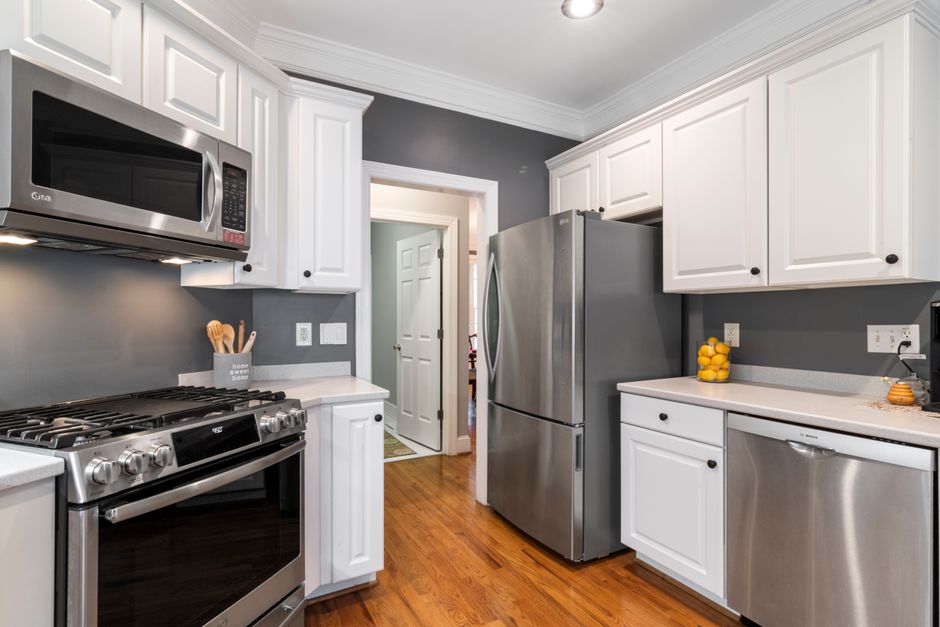
Contemporary kitchen with stainless steel appliances and white cabinets

What Questions Do Los Angeles Homeowners Ask Before Hiring a Kitchen Remodeler

2026-10-06

Homeowners in Los Angeles ask the same questions before they hire a kitchen remodeler, and most of them never say the questions out loud to the company. They ask a neighbor, a relative or a search engine, and they decide who to call from what they learn. Local marketing for a remodeling business works best when it answers those quiet questions before the first phone call, in the places where homeowners are already looking. This FAQ walks through the questions that come up most and what a useful answer looks like.

How long will my kitchen actually be out of use?

This is usually the first worry, and the honest answer depends on the scope. A cabinet and countertop replacement in an existing layout moves faster than a project that opens a wall, moves plumbing or changes the electrical panel. Custom cabinets and stone countertops involve lead times that sit outside the contractor's control, and the schedule should say so plainly.

A remodeler who publishes a sample timeline on the website, broken into demolition, rough work, inspections, cabinet installation, countertop templating and finish work, answers the question before it is asked. Include the stages where the kitchen is unusable and the stages where it is merely messy. Homeowners respect a company that explains where delays tend to happen instead of promising a date no one can guarantee.

Do I need a permit, and who handles it?

Within the city, the Los Angeles Department of Building and Safety reviews and inspects permitted work. Pasadena, Glendale and Santa Monica have their own departments, each with its own forms and its own pace. Homeowners often assume the contractor will quietly take care of it, or they worry that the contractor will skip it to save time.

A clear explanation helps on both counts. State which kinds of work usually need a permit, such as moving a gas line, adding circuits or changing a structural wall, and say that the company pulls permits under its own license and schedules inspections. Owners who understand the process see a permit as protection, not as an obstacle. A page that explains it in plain language earns trust that a generic promise of compliance cannot.

How do I know a remodeler is licensed and insured?

California requires contractors to hold a license for projects above a certain size, and homeowners can look up a license number on the state's public lookup. Many do, but a surprising number never think to check. Put the license number where it is easy to find, and explain what insurance covers if someone is hurt or something in the house is damaged.

Do not treat this as a minor footer detail. For a homeowner about to hand over a house, proof of a license and coverage is a purchase criterion. A company that makes it easy to verify looks confident, and one that hides it looks like it has something to avoid.

What will the first consult look like?

Many people hesitate to call because they imagine a hard sell. Describing the consult in a short paragraph removes that fear. Say who comes to the house, how long the visit takes, what gets measured and photographed, and what the owner receives afterward. Mention that the visit is about understanding the space and the budget range the homeowner has in mind, and that there is no pressure to decide that day.

It also helps to set expectations about what the first conversation covers. The owner should expect questions about how they use the kitchen, who cooks, how many people live in the house, what annoys them now and what they like. Remodelers who ask about daily life, not just dimensions, come across as designers and not salespeople.

Can I see work you have done near me?

This question matters more in Los Angeles than in many places, because housing types vary so much from one neighborhood to the next. A Craftsman in Silver Lake, a hillside house in Glendale and a ranch in the San Fernando Valley raise different problems. A homeowner wants to see a kitchen in a home like theirs, not a showpiece in a different style.

Organize project galleries by neighborhood or housing type, with short captions about what the job involved. A caption like "removed a non-structural wall, relocated the sink and rebuilt the lighting plan" does more than a dozen unlabeled photos. If past clients allow it, offer to arrange a visit to a finished kitchen nearby. Few things persuade as well as standing in the room.

How should I compare estimates from different companies?

Homeowners usually collect more than one estimate and then struggle to compare them, because each contractor describes the work differently. Anyone who helps the owner understand what a good estimate contains will be remembered. A solid estimate lists the scope in detail, names the materials or allowances for them, states what is excluded and explains how changes are handled once work begins.

A remodeler can publish a short guide to reading an estimate and be honest about what makes two proposals different. This is not a sales pitch. It is a service that builds credibility with people who are early in their research and who will remember the company that taught them something useful.

What happens if I change my mind halfway through?

Changes are normal, and the owner knows it. What they want to know is how they are handled. A written change process, where the contractor describes the change, its effect on schedule and cost, and waits for approval before proceeding, protects both sides. Say so openly, and explain that surprises in an old house, such as hidden wiring or rotted framing behind a wall, are discussed with photos before anything proceeds.

Older houses in Pasadena and across Los Angeles County regularly reveal issues once walls open. A company that prepares owners for this possibility before the job starts gets far fewer angry calls halfway through.

Will the crew respect my home and my neighbors?

This question rarely appears in marketing, yet it decides many hiring choices. Homeowners picture strangers in their house for weeks. They want to know about daily start and end times, how dust is contained, where materials are stored and who cleans up at the end of each day. They also worry about parking, noise and what the people next door will think.

Describe the daily routine in plain terms: floor protection, plastic barriers, a dedicated work entrance, a clean sweep at day's end and a single point of contact who answers questions. These details are not exciting, but they reassure. A neighbor on a narrow street in Silver Lake will also appreciate a heads-up about loud work, and a company that offers one reflects well on the client.

What do past clients say about working with you?

Homeowners look for proof from people who have already been through the process. The most helpful evidence is specific, such as what the owner liked about communication, how problems were handled and whether the finished work held up. Real, detailed feedback from owners, displayed with their permission, outweighs a long list of generic praise.

Encourage clients to describe their experience in their own words, and respond to every public comment honestly, including the unhappy ones. A calm, factual reply to a complaint shows prospective clients how the company behaves when something goes wrong, which is often the question they care about most.

How do I choose between a design-build firm and a separate designer and contractor?

Owners often do not know the difference, and it affects how the project flows. A design-build company handles drawings, selections and construction under one roof, which can simplify communication. A separate designer and contractor can offer more independence in selecting materials and more choice in who builds. Neither is better in every case.

A remodeler should explain which model the company uses, what the owner can expect at each stage and where the handoffs occur. Honest framing helps the right clients self-select, which saves everyone time in the consult.

Where should this information live?

The answers belong where homeowners look: on service pages, in a clear frequently asked questions section, in project captions and in the answers a company gives in local neighborhood groups and community newsletters across the Westside and Glendale. Repeating the same facts in the same plain language in several places builds familiarity, and it prepares the owner to say yes at the first consult.

A remodeling business in Los Angeles that answers these questions openly gets fewer tire-kickers and more people who are ready to talk about a real project.

Read more →