How Do You Pick Target Neighborhoods by Housing Stock in Los Angeles
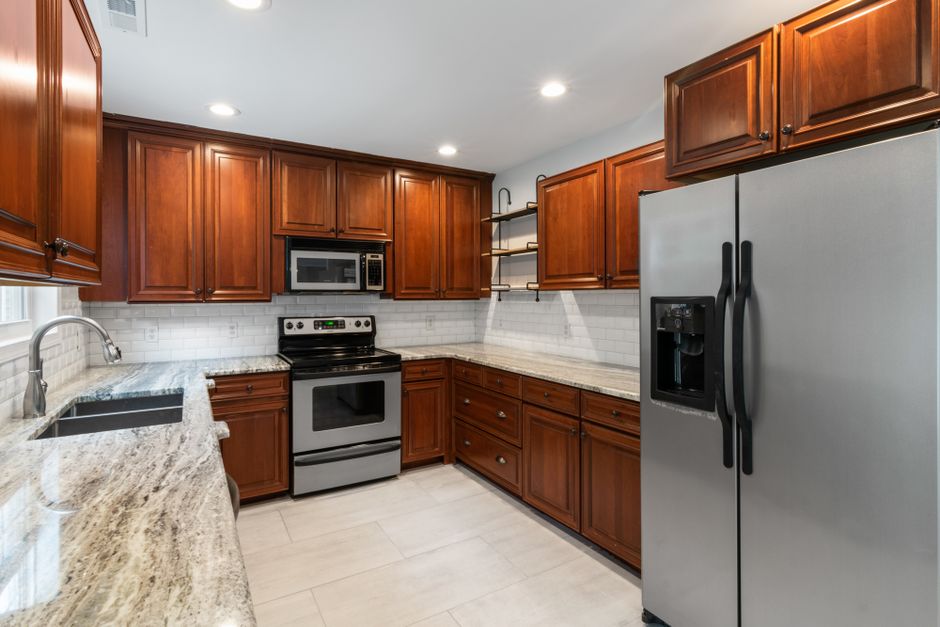
In a neighborhood where most houses were built before the second world war, the kitchen is usually the room owners want changed first, and the notes at kitchen remodeling local marketing los angeles colony club dc begin with that fact before anything about advertising. For a remodeling company in Los Angeles, CA, the housing stock tells you who is likely to call, what they will ask for and how long the job will take.
Start with the age of the houses
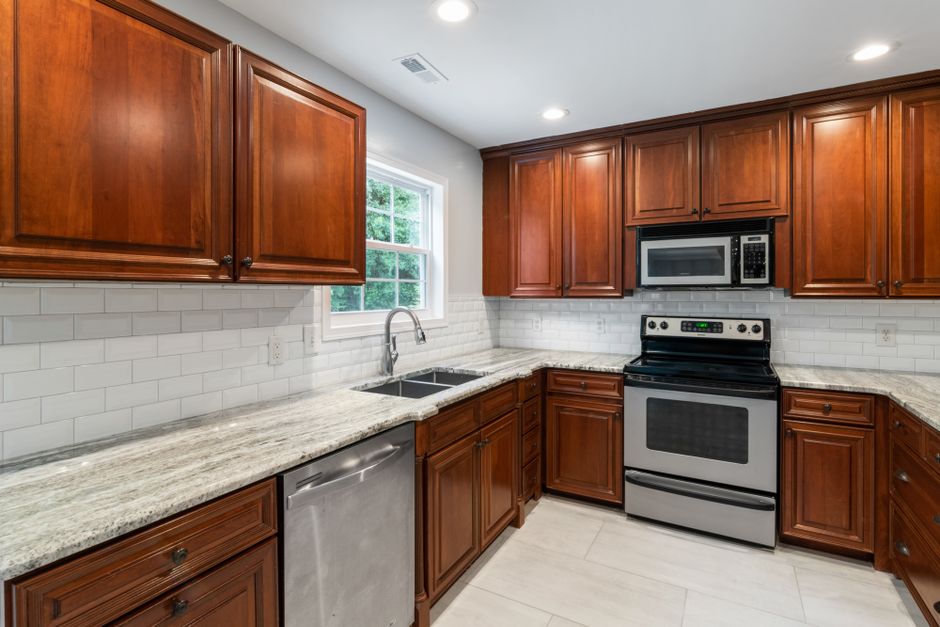
Craftsman bungalows, Spanish revival cottages and mid century ranches each age in a different way. A bungalow kitchen is often small, closed off and wired for far fewer appliances than a family uses today. A ranch house kitchen tends to have a good footprint but tired cabinets and a dropped ceiling hiding ductwork. Pull the year-built column from public parcel records for Los Angeles County and sort streets by decade.
Owner occupied or rented
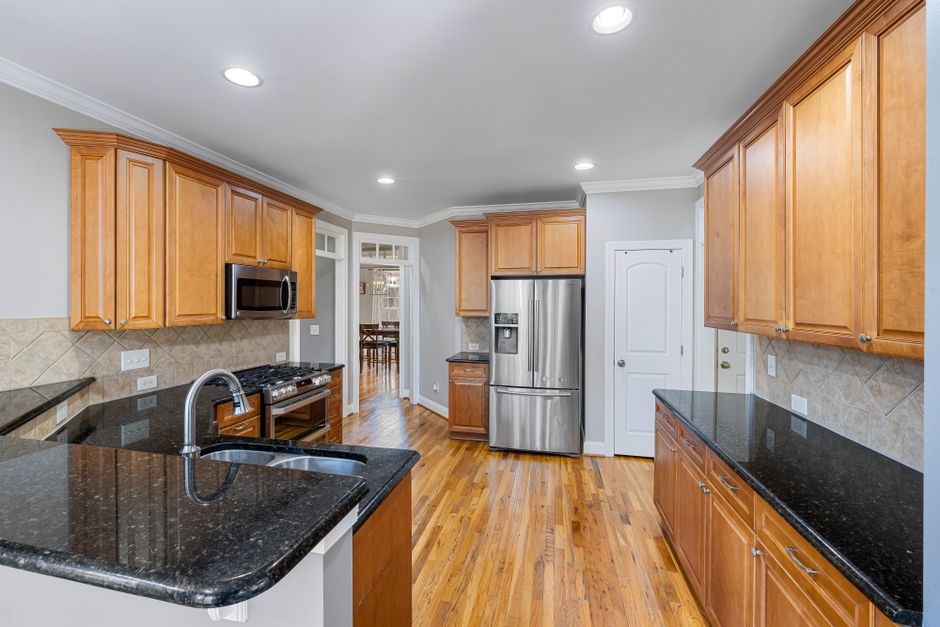
A remodel is a decision made by someone who plans to stay or someone who plans to sell. Streets full of long-term owners behave differently from blocks of rentals and condos. Silver Lake has pockets of both within a few minutes of each other, so a rough neighborhood label is not enough. Look at the block, not the district.
Match the neighborhood to the work you do best
A company that handles structural changes, moving a wall or opening a kitchen to a dining room, belongs where houses have wall layouts that allow it. A company that mostly does cabinet and counter replacements fits better in newer tract homes across the San Fernando Valley, where the footprint stays and the finishes change. Pick areas where your past jobs already look like the next job.
Check permits and plan review realities
The Los Angeles Department of Building and Safety handles permits within city limits, while Pasadena and Glendale run their own departments with their own timelines and counters. A neighborhood that sits in a different jurisdiction means different forms and different waits. Count that into the choice, because a slow permit stretches a schedule and a stretched schedule changes what you promise.
Travel time is a real limit
Driving from the Westside to the east end of the valley can eat a morning in traffic. Crews that lose an hour each way every day lose the margin on a long job. Draw the service area by realistic drive time at seven in the morning, not by a circle on a map. Santa Monica and the neighborhoods around it may justify a tight cluster of jobs, while a farther area may need a minimum project size.
Keep a short list and review it
Choose three or four neighborhoods and work them for a season. Note which streets produce calls, which produce site visits and which produce signed work. Drop the ones that only produce questions. The housing data points you in a direction, but the jobs you actually win decide where to stay.